Burning Urination Is a Signal — Not Just a Urine Problem

Burning happens when urine, nerves, mucosa, circulation, and internal heat lose balance. Correct the system — the symptom settles.

What Burning Urination Really Indicates

Burning occurs when the urinary lining becomes irritated, urine becomes too strong, pelvic nerves become sensitive, or local heat builds up.

Sometimes infection is present. Often, the body’s internal balance is disturbed — hydration, heat, nerves, circulation, or mucosal nourishment.

The urine is the messenger — not always the culprit.
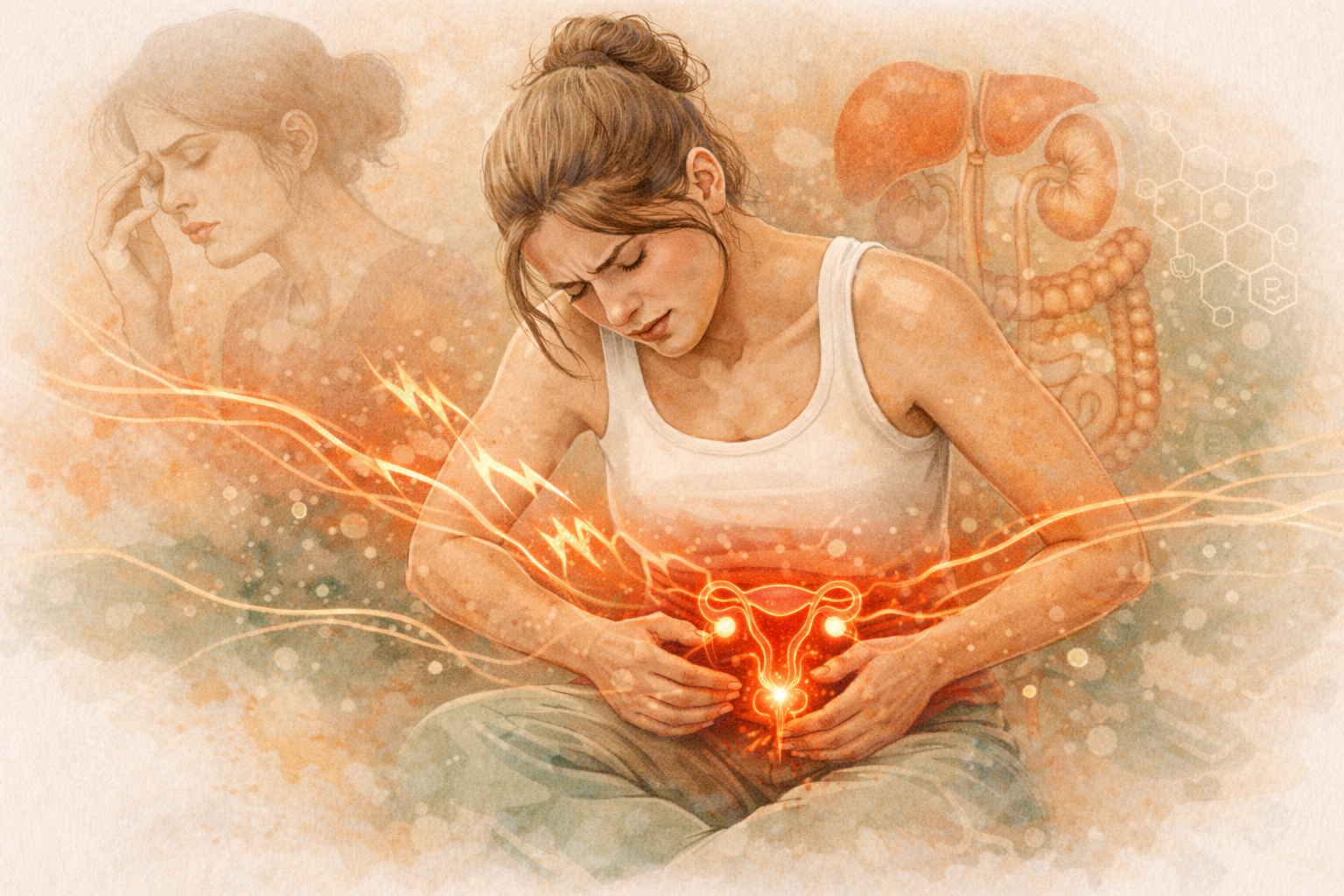
The 6 Functional Drivers of Burning Urination

Urinary Lining Irritation

Inflamed or raw lining causes burning when urine passes.

Strong / Concentrated Urine

Low water or excess body heat makes urine irritating.

Pelvic Nerve Sensitivity

Sensitive bladder or pelvic nerves create burning without infection.

Pelvic Congestion

Poor drainage causes heat, pressure, and irritation.

Mucosal Dryness

Dry, thin lining burns easily when urine touches it.

Gut–Liver Heat & Toxins

Internal heat and metabolites irritate urine and mucosa.

60-Second Burning Urination Pattern Quiz

Select what applies. Each choice reveals what your body may be signalling.

Urinary Irritation

Urine Strength & Heat

Pelvic Nerve Sensitivity

Pelvic Congestion

Mucosal Dryness

Gut–Liver Heat

Correct the Dominant System

Burning improves when the root imbalance is corrected — whether irritation, heat, nerves, congestion, dryness, or gut–liver overload. A personalised functional view helps identify which system needs priority.
A one-to-one consultation helps identify your dominant pattern, hidden drivers, and body constitution — allowing deeper and more stable correction rather than temporary relief.