Uterine Prolapse Is a Support System Weakness — Not Just a Uterus Problem

The uterus descends when pelvic muscles, ligaments, nerves and pressure balance lose coordination. Restore support — the body regains lift.

What Is Uterine Prolapse — In Simple Terms

Uterine prolapse happens when the support holding the uterus in place becomes weak, allowing it to move downward.

This support depends on pelvic muscles, ligaments, nerves, and pressure balance — not just the uterus itself.

When support weakens, the body loses lift — and symptoms appear.
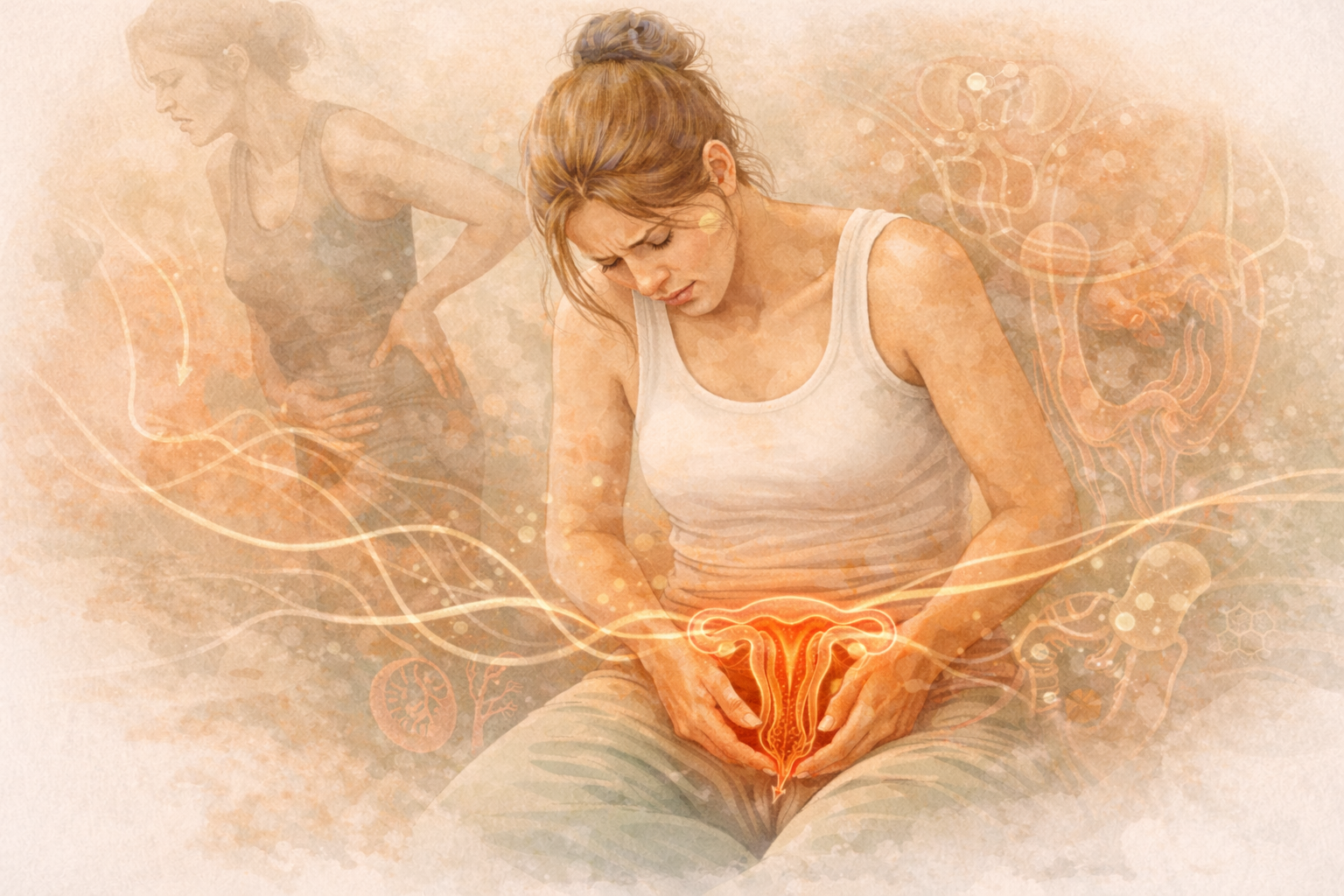
Uterine prolapse functional view

The 5 Functional Drivers of Uterine Prolapse

Pelvic Muscle Weakness

Loss of tone reduces support and lift.

Ligament Laxity

Connective tissue loses strength and hold.

Nerve Tone Reduction

Pelvic nerves help maintain support and reflex tone.

Pelvic Congestion

Poor circulation creates heaviness and pressure.

Pressure Imbalance

Repeated downward pressure worsens descent.

60-Second Uterine Prolapse Pattern Quiz

Select what you experience. Each selection reveals a functional signal.

Support & Sensation

Muscle & Nerve Tone

Congestion & Pressure

Pressure & Digestion

Correct the Root Drivers

  • Pelvic muscle tone & support restoration
  • Ligament and connective tissue strength
  • Pelvic nerve tone and reflex support
  • Venous and lymphatic circulation
  • Pressure balance & core coordination

Every prolapse has a different root pattern. A personalised consultation helps identify whether weakness, nerve tone, tissue laxity, or pressure imbalance is the main driver — and guides targeted correction rather than temporary relief.