Recurrent UTIs Are a Bladder–System Issue — Not Just an Infection

When nerves, immunity, flow, and lining health fall out of sync, bladder infections keep returning — even after antibiotics.

Why Infections Keep Coming Back

Recurrent UTIs usually mean the bladder environment has become irritated, weak, or poorly regulated — allowing bacteria to settle easily.

Antibiotics may clear bacteria temporarily, but they don’t fix poor bladder emptying, nerve misfiring, lining damage, or immune fatigue.

The bacteria are visitors — the terrain invites them.
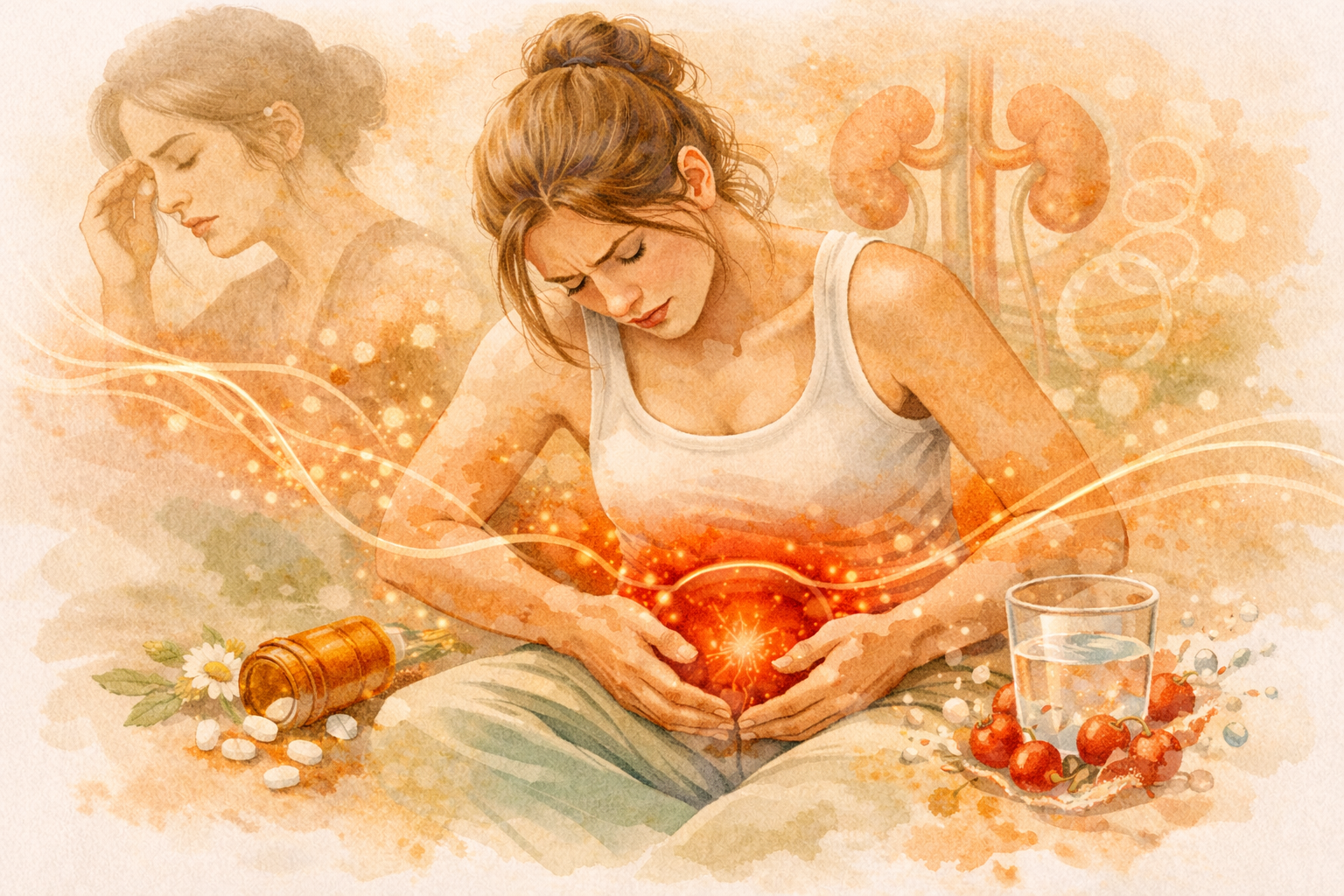
Functional bladder physiology

The 5 Common Functional Drivers Behind Recurrent UTIs

Poor Bladder Emptying

Residual urine allows bacteria to multiply.

Nerve & Stress Dysregulation

Overactive nerves keep the bladder in alert mode.

Bladder Lining Damage

A thin lining allows irritation and bacterial sticking.

Gut & Immune Imbalance

Most bladder bacteria originate from the gut.

Chronic Inflammation

Inflamed tissue heals slowly and relapses easily.

60-Second Recurrent UTI Pattern Quiz

Select what applies to you. Each choice reveals a functional clue.

Urination Pattern

Nerves & Stress

Immunity, Gut & Inflammation

What Needs Correction for Lasting Relief

  • Bladder emptying and flow coordination
  • Autonomic (stress–nerve) balance
  • Bladder lining repair
  • Gut–immune relationship
  • Inflammatory load and tissue healing

Recurrent UTIs often have multiple overlapping drivers. A one-to-one consultation helps identify which system is dominant in your case and how to correct it gently without repeated antibiotics.